Breathing Clean Begins at Home
It’s true that pollen and pollution can aggravate asthma, but the indoor environment is equally important — especially for people who spend lots of time inside. That includes young children, older adults, people with health conditions and anyone working from home. Dust, mold and pests can lurk in clutter and damp corners, waiting to trigger asthma symptoms. Fight back! Use this checklist to keep your home healthy. DOWNLOAD FLYER | WATCH VIDEO
THE EIGHT PRINCIPLES OF A HEALTHY HOME
Healthy homes are . . .
1 / Dry
A damp home harbors asthma irritants like mold, cockroaches and even thirsty rodents. Watch for roof damage, leaky plumbing and poor drainage, and try to keep your home humidity level around 30–50%. WATCH VIDEO
2 / Clean
Clutter creates more surface area to collect dust and mildew that can be overlooked while cleaning. When your home is organized and easy to clean, you’ll remove more irritants. WATCH VIDEO
3 / Safe
Store household chemicals away from children and install carbon monoxide and smoke detectors on every floor of your home.
4 / Ventilated
Kitchen and bathroom fans should be vented outside of the home. When showering, run a fan for 15-20 minutes, and when cooking open windows to release steam or smoke.
5 / Pest-free
Humans can have allergic reactions to rodents and insects. Use traps, repair holes in walls and floors and properly store food in pest-resistant containers. CLICK THE LINK
6 / Contaminant-free
Tobacco smoke, pesticides, harsh cleaning solutions and asbestos can trigger asthma attacks. Invite tobacco users to smoke outside and replace harsh cleaning products with greener options.
7 / Maintained
Regular maintenance of your home is an important deterrent to moisture and pests. Repair small problems before they become big problems — or invite additional ones.
8 / Thermally Controlled
Both extreme heat and extreme cold in your home can trigger asthma symptoms. Keep your home between 68 and 71°F to help avoid flare-ups.
CLEAN GREEN: A DIY SUPPLY LIST
When you clean your home, you remove dust, allergens and fungi that can be toxic and trigger asthma symptoms. But harsh chemicals and fragrances can cause symptoms, too. That’s why the cleaning products you use — and how you use them — matter, especially if you’re fighting asthma. Learn more about green cleaning.
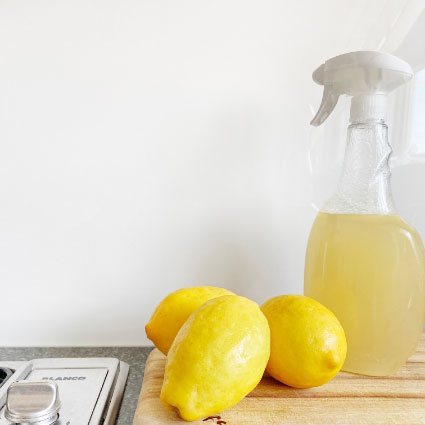
It’s all about what you use: Green cleaning products are gentler on your respiratory system, eyes and skin, and can be made from pantry staples like white vinegar, baking soda and salt. Making your own green cleaning supplies is better for your family’s health. It also costs less and reduces waste.
And how you use it: Cleaning smart can make a big impact on asthma symptoms. For example, when you use a dry cloth to dust or a regular broom to sweep, you send harsh irritants into the air. (Do you feel a wheeze coming on?) A wet mop or rags and frequent water changes do a better job of capturing dust and whisking it away.
Check out this green cleaning video and get more tips and simple recipes for creating your own cleaning products in this Green Cleaning Toolkit.